
IDENTIFY
What is this material?
Establish composition, proteins and molecular profile.
See how we investigate ›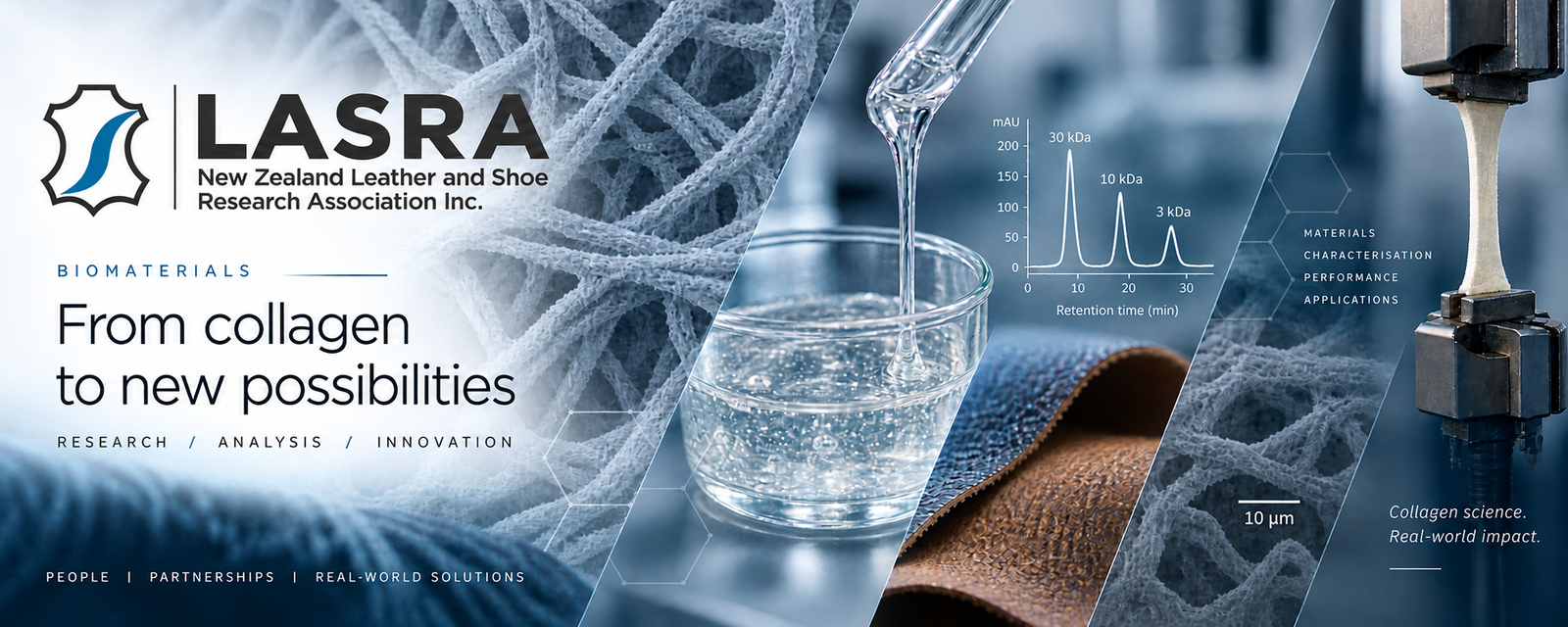
IDENTIFY
Establish composition, proteins and molecular profile.
See how we investigate ›COMPARE
Follow chemistry, structure, crosslinking and stability.
See the evidence ›EXPLAIN
Connect structure with thermal and mechanical performance.
Connect cause and effect ›DEVELOP
Explore hydrolysis, fractions, peptides and new biomaterials.
Discuss an idea ›COLLAGEN & BIOMATERIALS
LASRA investigates collagen-rich materials from molecular composition and structure through to thermal and mechanical performance. We use complementary analytical techniques to determine what processing, crosslinking, hydrolysis and other treatments have changed — and what those changes mean for material behaviour and potential use.
Tissues, leather, collagen, gelatin, hydrolysates, peptides and complex biological matrices.
Chemical, molecular, structural, thermal and mechanical measurements can be combined to build a more complete picture.
We connect the measurements to the material — what changed, why it changed, and what that means in practice.
FEATURED INVESTIGATIONS
These are the sorts of questions where several pieces of evidence become more useful than a single result.
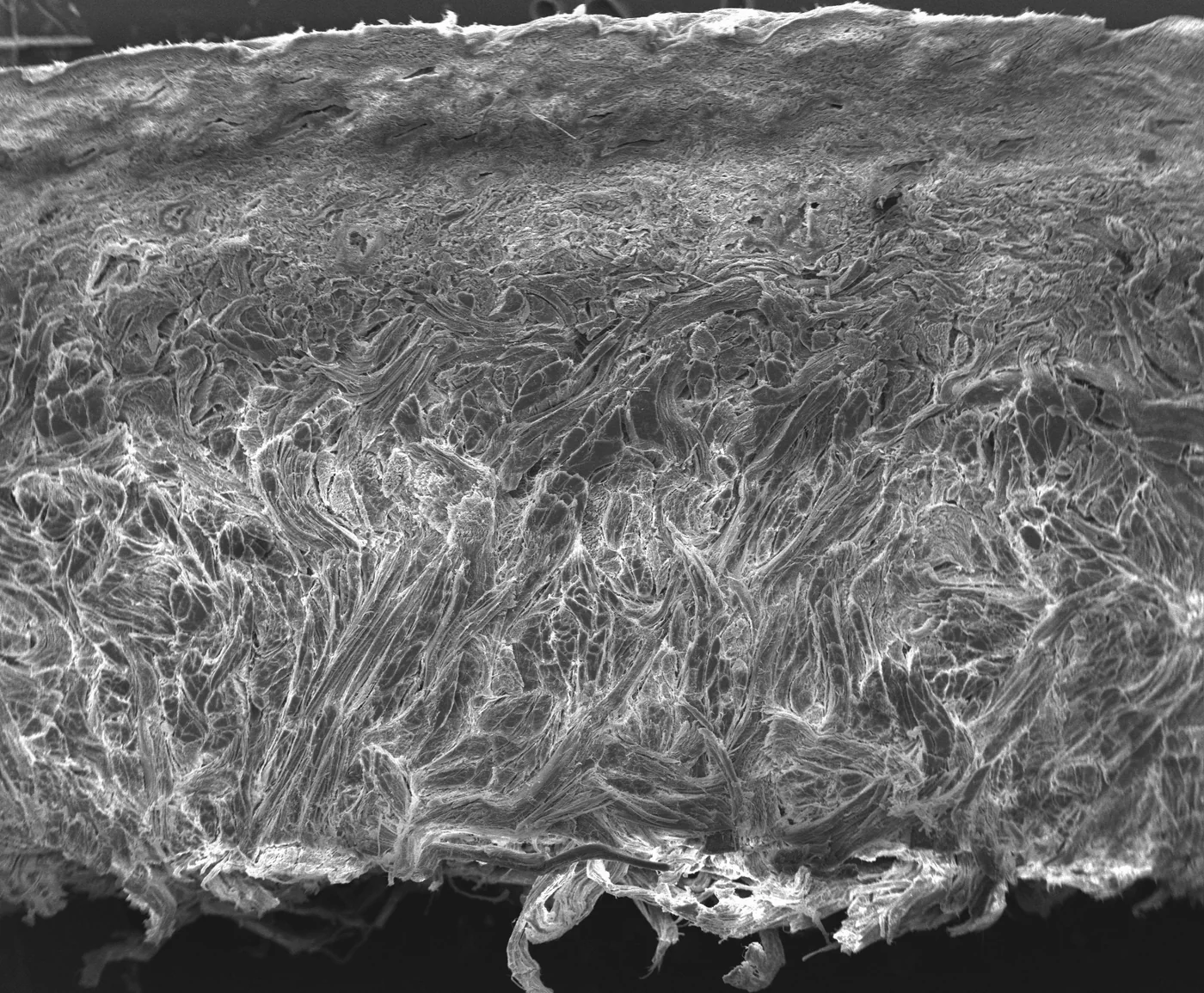
VISUALISATION
Microscopy and structural analysis can reveal changes that are not obvious from bulk measurements alone.
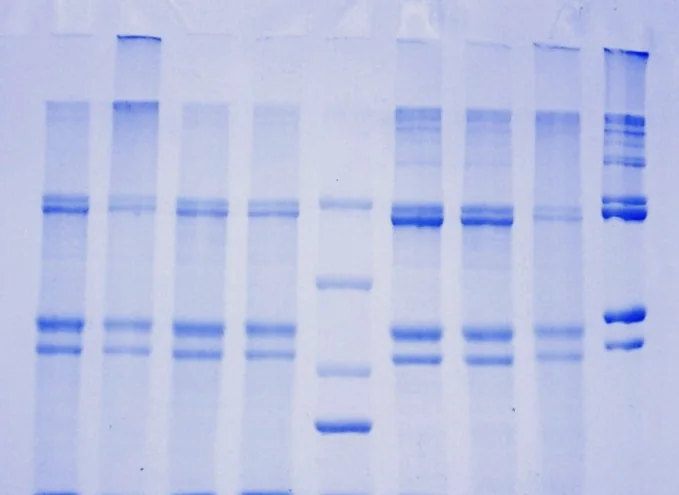
MOLECULAR PROFILE
Chromatography, electrophoresis and related methods help show how processing changes protein or peptide populations.
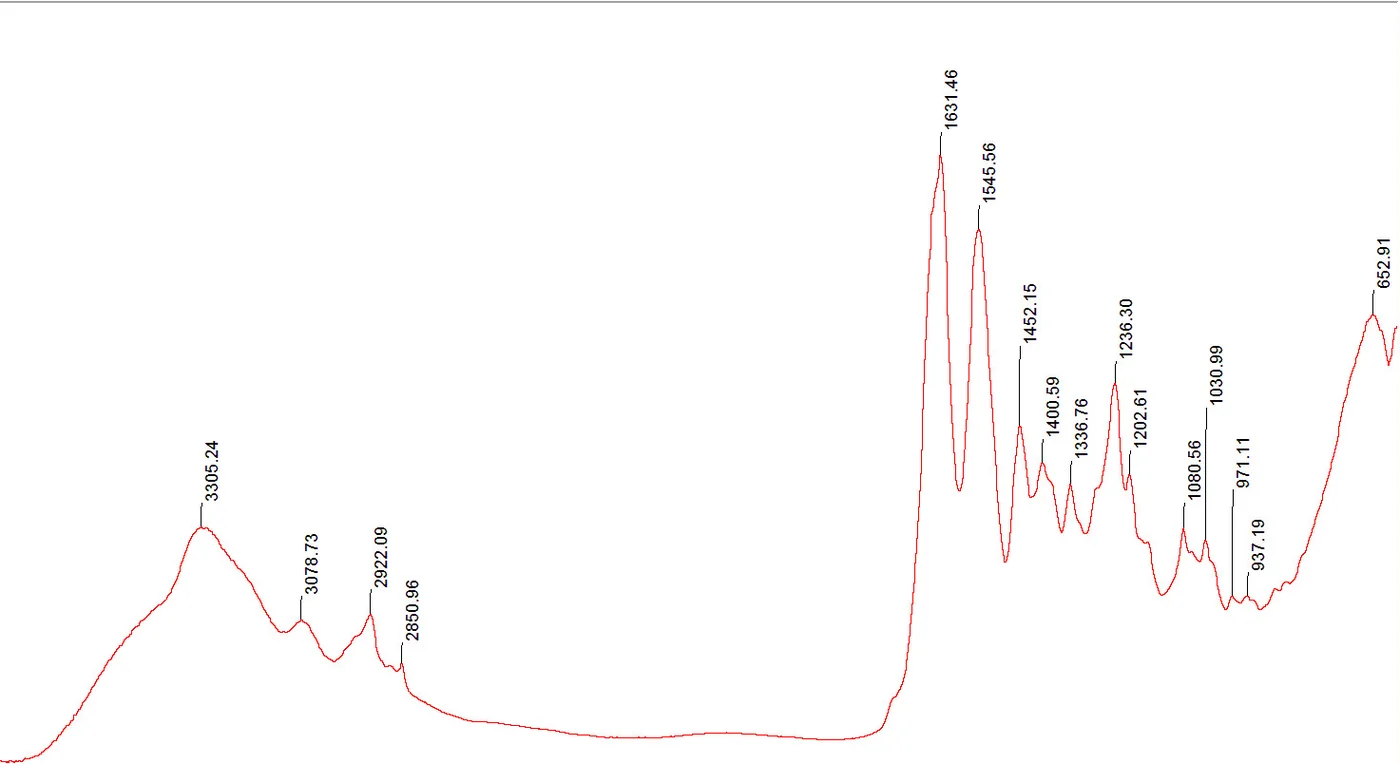
CHEMISTRY & INTERACTIONS
Thermal and spectroscopic techniques can reveal changes in organisation and interactions, providing insight into material behaviour.
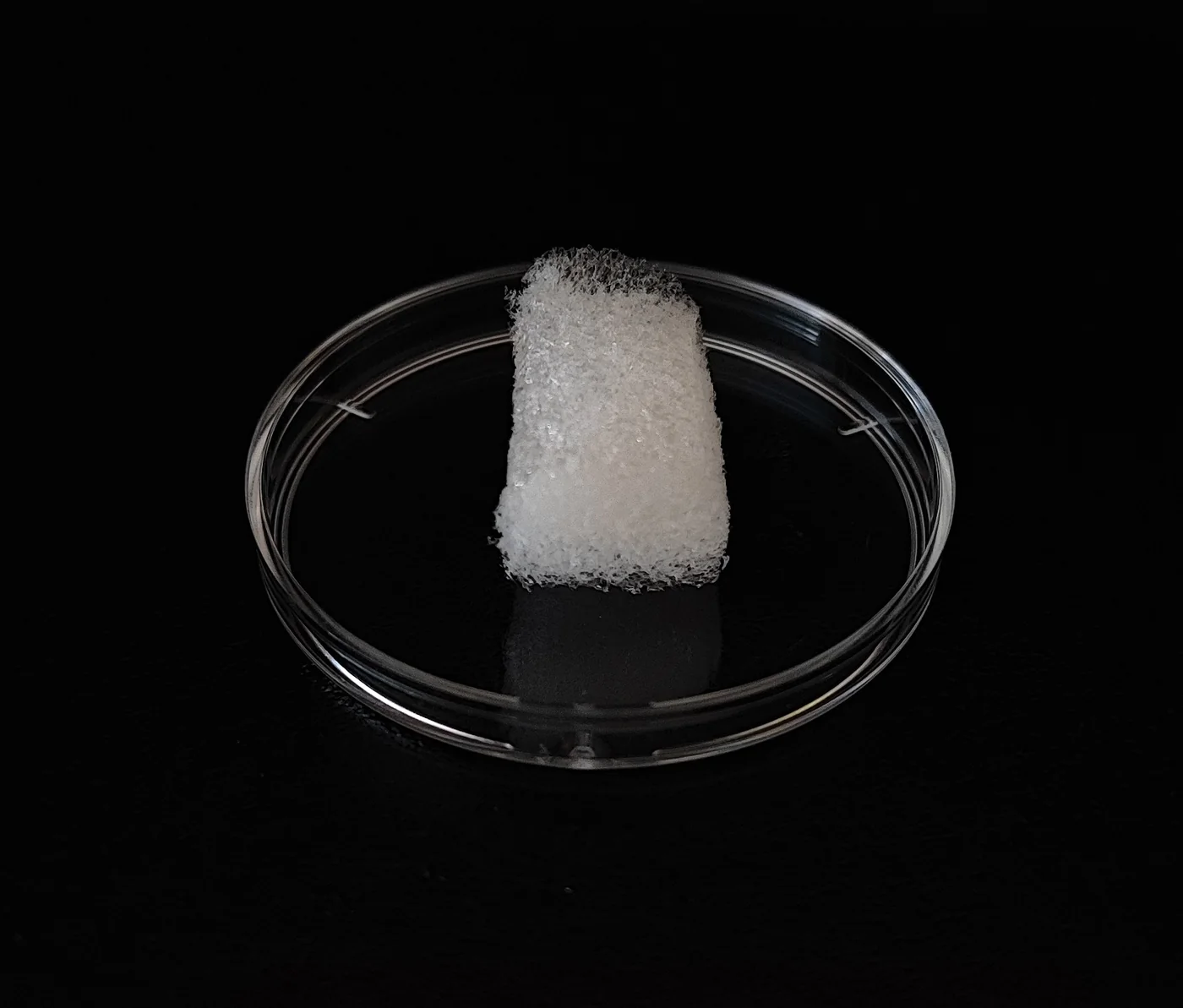
REAL MATERIAL
Real samples provide the link between analytical measurements and what is actually seen in use or processing.
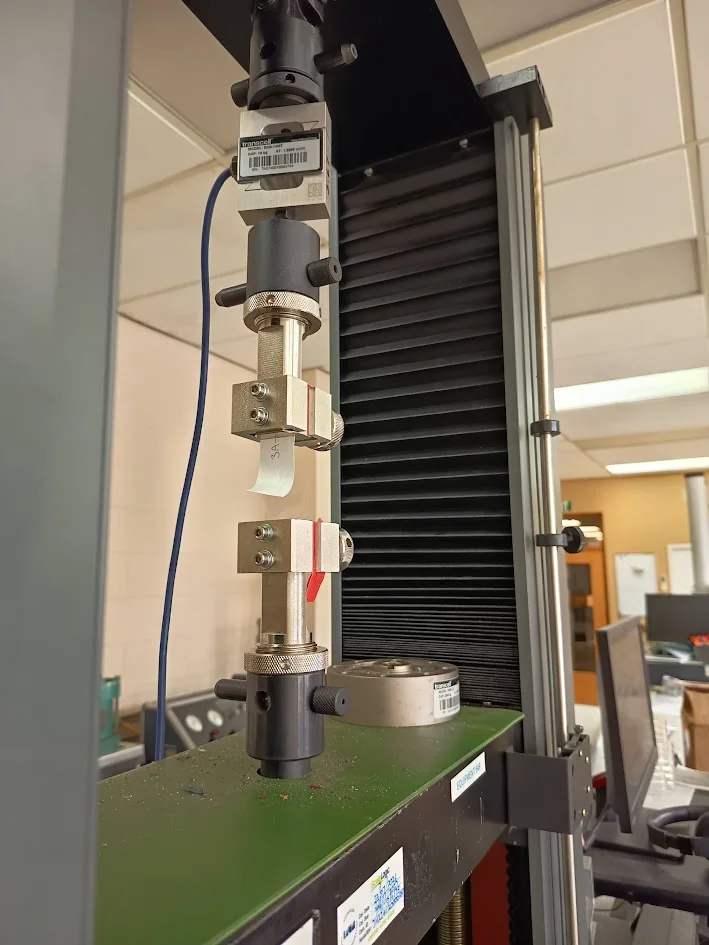
PERFORMANCE
Mechanical testing can connect chemistry and structure with modulus, toughness, elongation and strength.
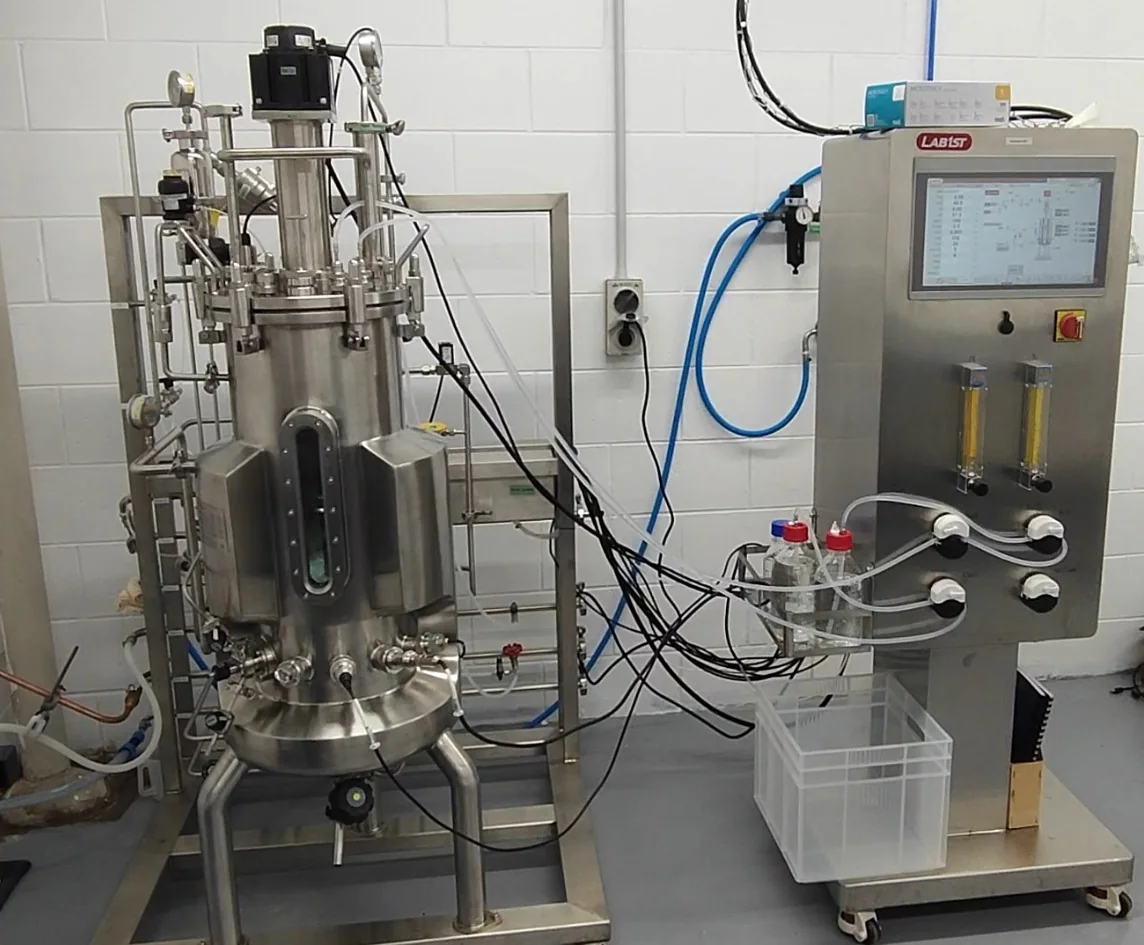
PRODUCT DEVELOPMENT
Hydrolysis, fractionation and characterisation can open new routes for biological materials and side-streams.
ANALYTICAL CAPABILITY
Complex biological materials often need several techniques working together. We choose the analytical approach around the question, not the other way around.
Protein analysis, amino acid analysis, chromatography, SDS-PAGE and LC-MS.
FTIR, Raman, microscopy and access to advanced scattering methods.
DSC, TGA and mechanical testing for thermal and physical behaviour.
Bringing results together to understand what changed and why it matters.
WORKING WITH LASRA
You do not need to know which analytical method to use before you contact us. The useful starting point is the material, the problem and what you are trying to understand.
Show us the material.
Tell us what you have, how it was produced and what is puzzling you.
We define the approach.
A known method where appropriate, or a combination of complementary techniques.
We investigate and interpret.
The result should help answer the question, not simply generate a report.
START A CONVERSATION
You can start with the material and the problem. We can work out the analytical route from there.